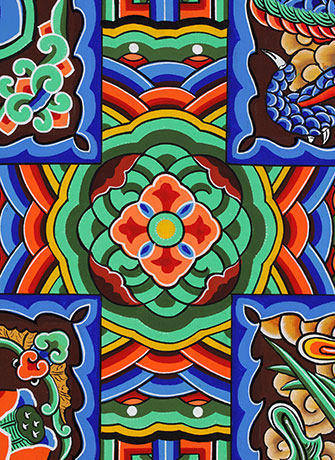
1. What is Dancheong?
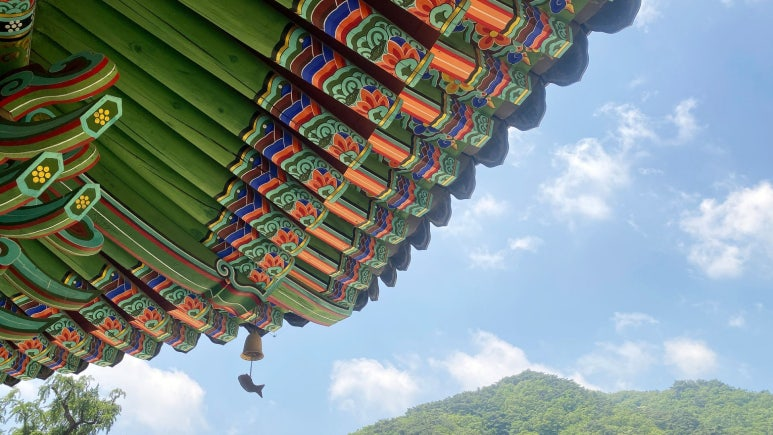
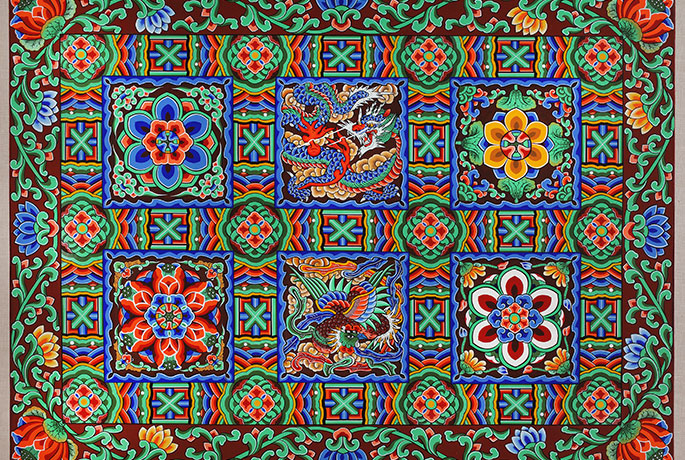
Dancheong refers to the traditional Korean decorative coloring applied to wooden buildings such as palaces and temples. The word comes from ‘Dan’ (red) and ‘Cheong’ (blue), meaning “to decorate with red and blue colors.”
2. History of Dancheong
Dancheong originated during the Three Kingdoms period (approximately 57 BCE – 668 CE) and further developed through the Goryeo Dynasty (918–1392) and the Joseon Dynasty (1392–1910). It became a key feature of traditional Korean architecture, especially in palaces, temples, and government buildings during the Joseon period.
Its purposes include:
- Protecting wood from moisture, insects, and sunlight
- Expressing dignity and sacredness
- Indicating the importance and hierarchy of spaces
3. Colors and Meanings
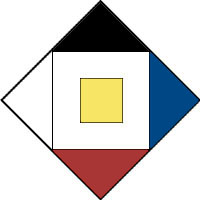
Dancheong is based on the five cardinal colors (Obangsaek):
- Blue: East, spring, life
- Red: South, summer, passion
- Yellow: Center, balance
- White: West, purity
- Black: North, wisdom
4. Natural Pigments Used
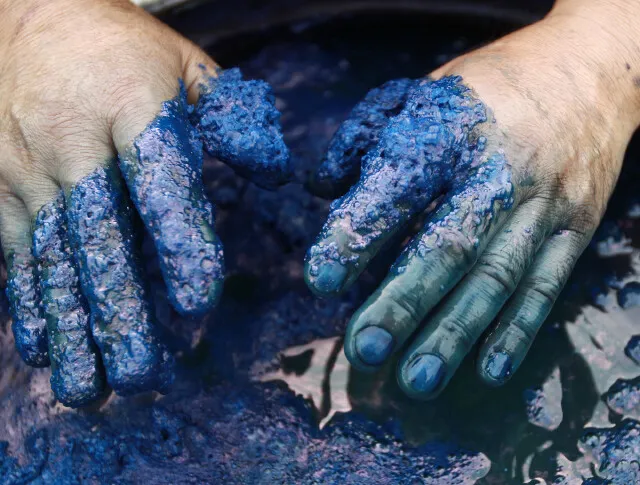
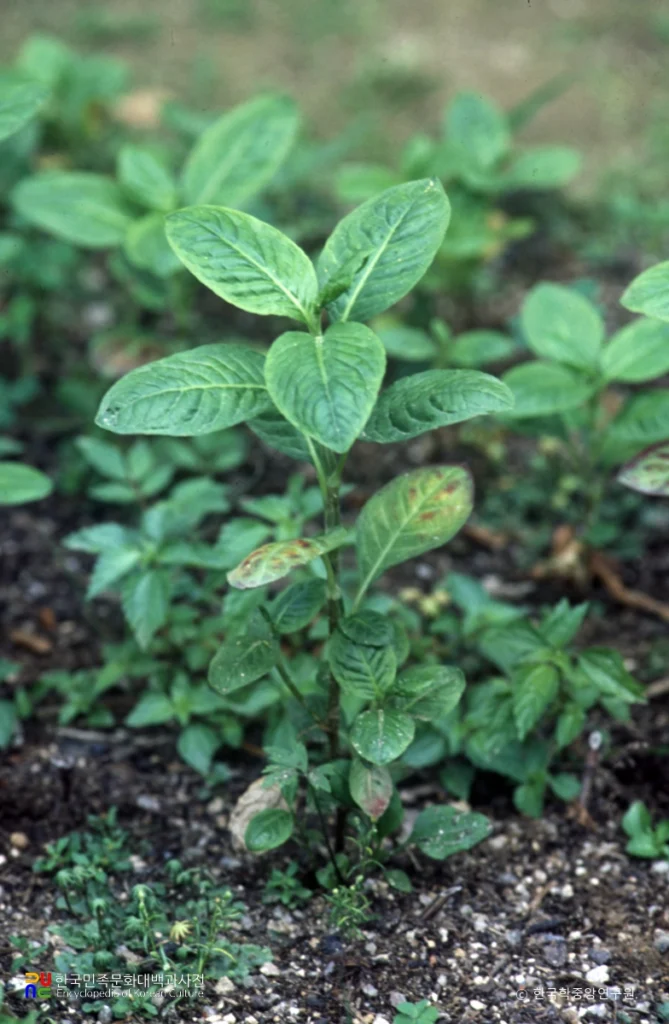
Traditional Dancheong uses natural materials:
- Blue: Indigo plant
- Red: Cinnabar
- Yellow: Yellow ochre
- White: White clay
- Black: Soot (ink)
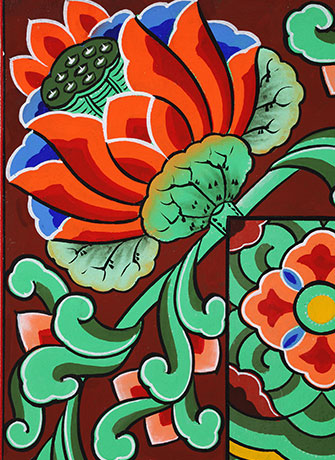
These pigments create deep, long-lasting colors.
5. Modern Use: Museum Goods
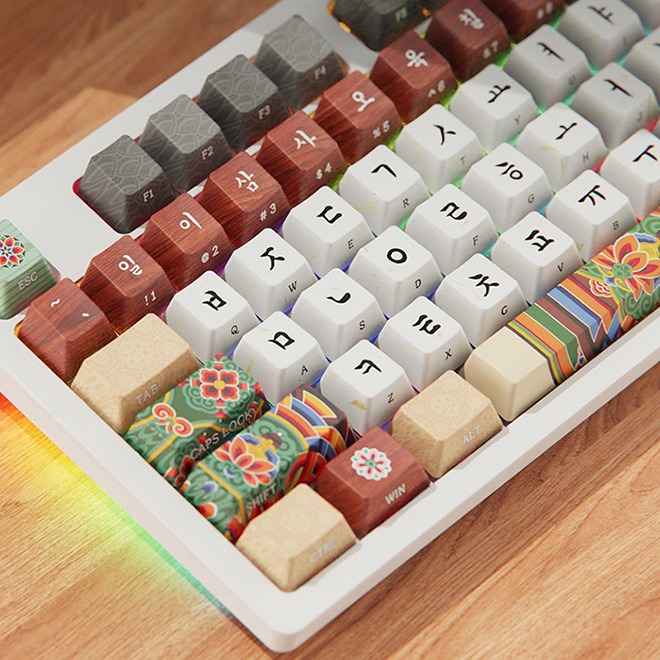
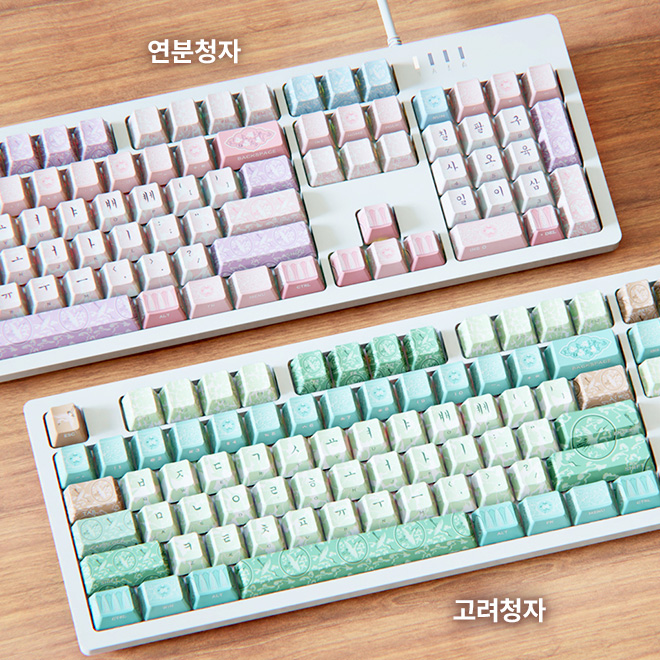
Today, Dancheong patterns are reinterpreted into modern products. The National Museum of Korea offers beautifully designed cultural goods.
Featured Item: Dancheong Keyboard
- Experience tradition in daily life
- Stylish and functional design
- A unique cultural touch
Call to action:
Bring a piece of Korean heritage to your desk. A Dancheong keyboard is more than a tool—it’s art you use every day.

https://www.museumshop.or.kr/kor/product/product_li.do?str_bcode=001005004&historypage=1#
SEO Keywords
Dancheong, Korean traditional patterns, Korean architecture, Obangsaek, Korean design goods, Korean cultural products