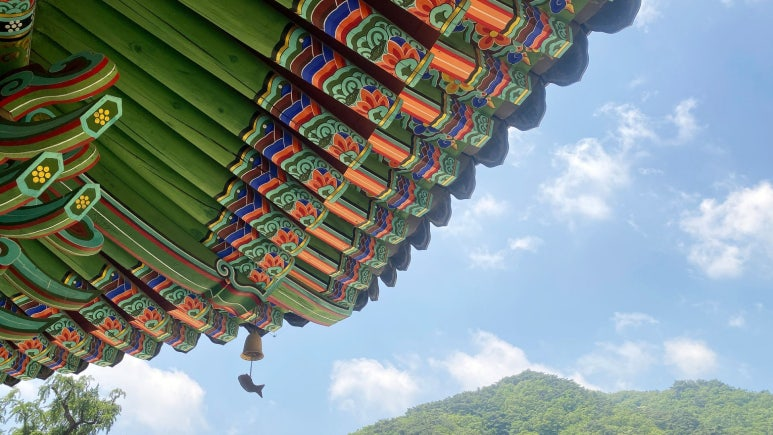
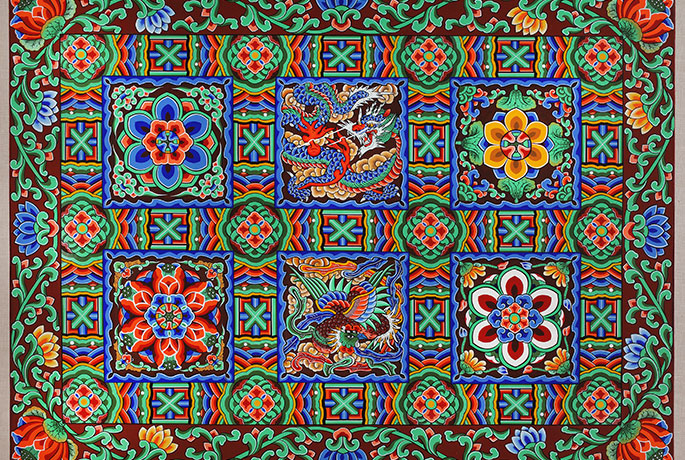
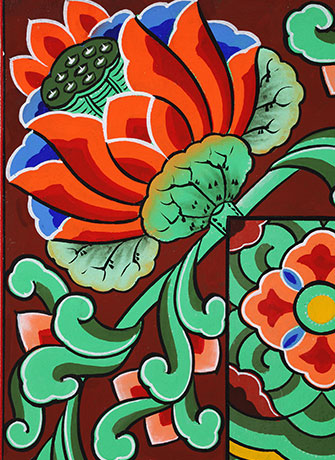
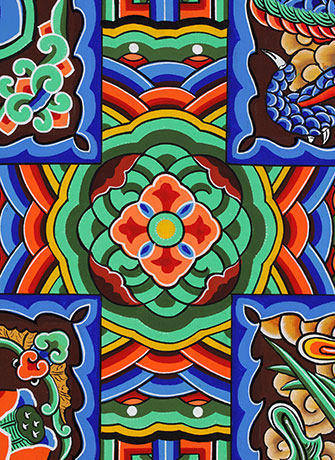
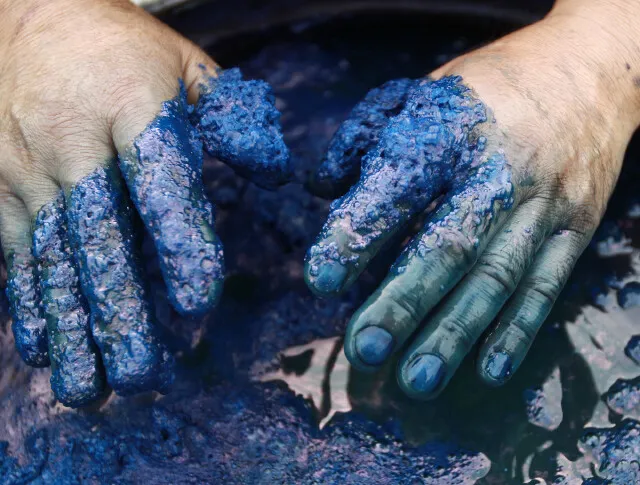
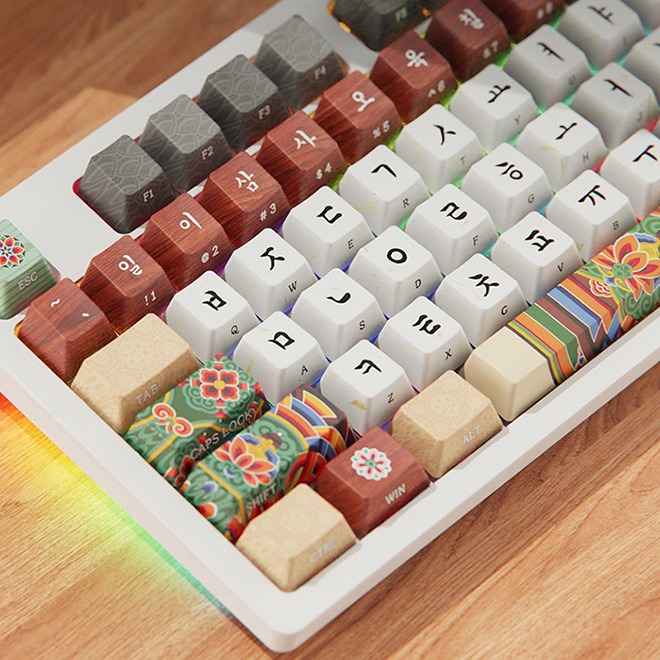
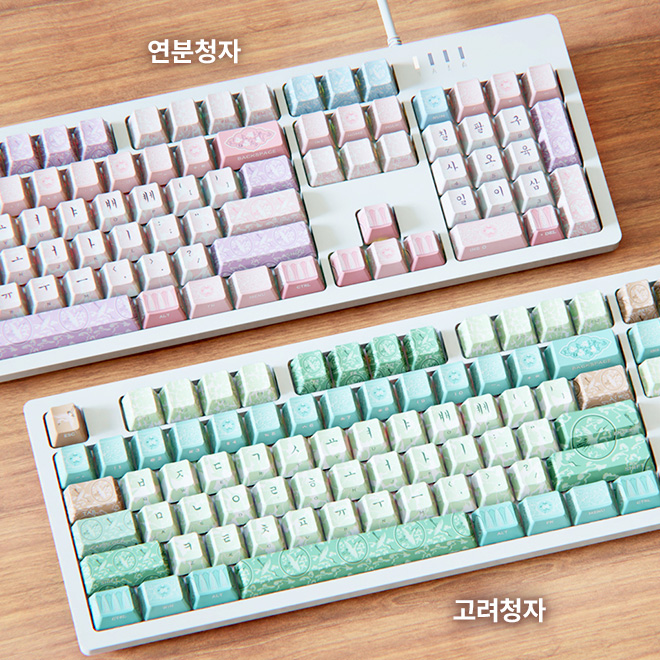
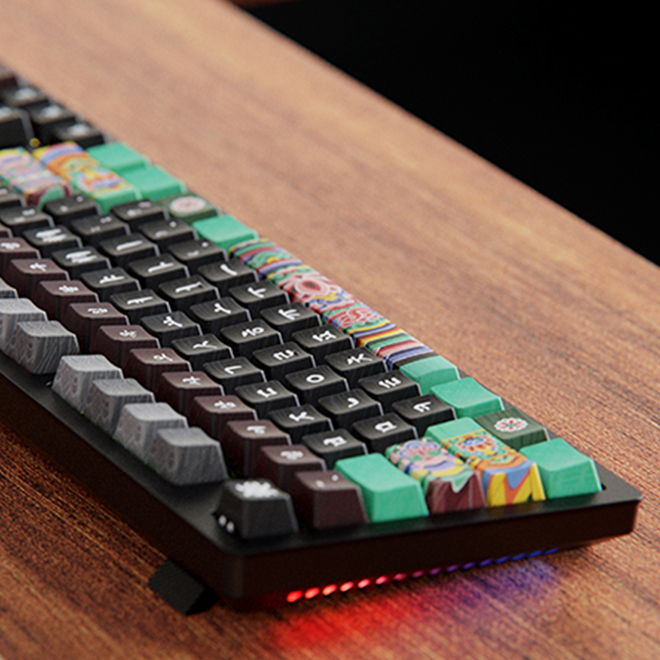
Dancheong refers to the traditional Korean decorative coloring applied to wooden buildings such as palaces and temples. The word comes from ‘Dan’ (red) and ‘Cheong’ (blue), meaning “to decorate with red and blue colors.”
Dancheong originated during the Three Kingdoms period (approximately 57 BCE – 668 CE) and further developed through the Goryeo Dynasty (918–1392) and the Joseon Dynasty (1392–1910). It became a key feature of traditional Korean architecture, especially in palaces, temples, and government buildings during the Joseon period.
Its purposes include:
Protecting wood from moisture, insects, and sunlight
Expressing dignity and sacredness
Indicating the importance and hierarchy of spaces
3. Colors and Meanings
Dancheong is based on the five cardinal colors (Obangsaek):
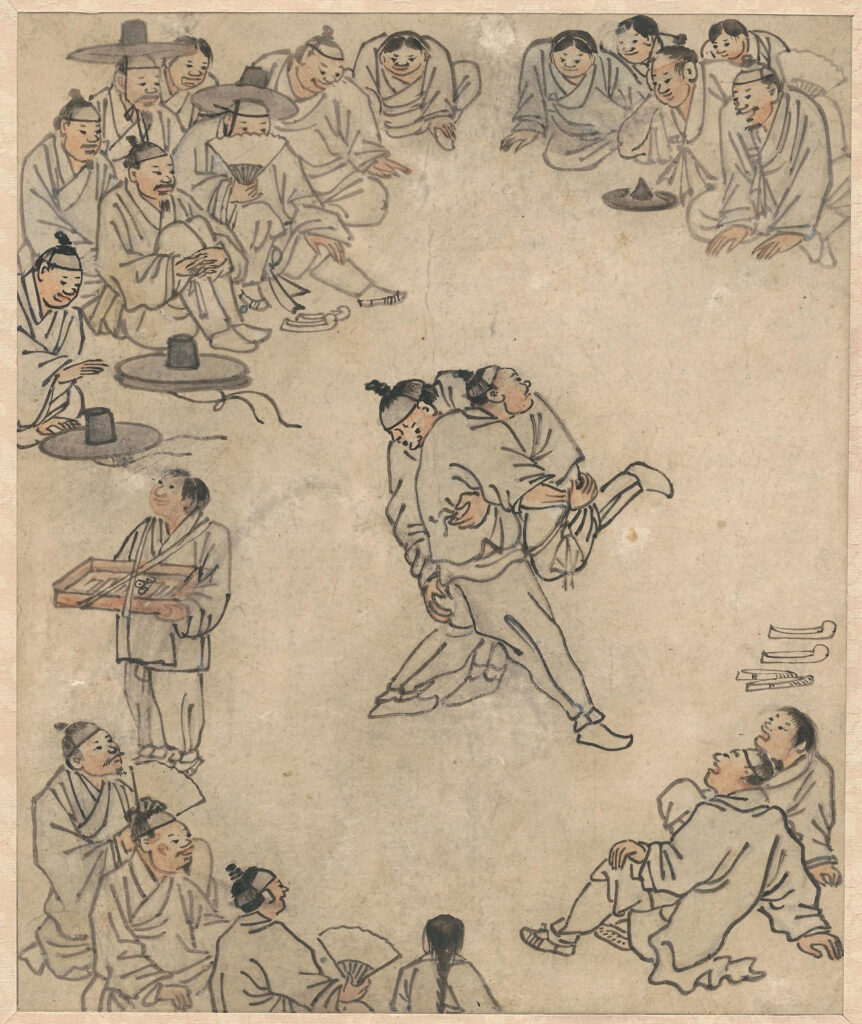
Genre: Genre Painting (Pungsokhwa), depicting the dynamic life of the common people
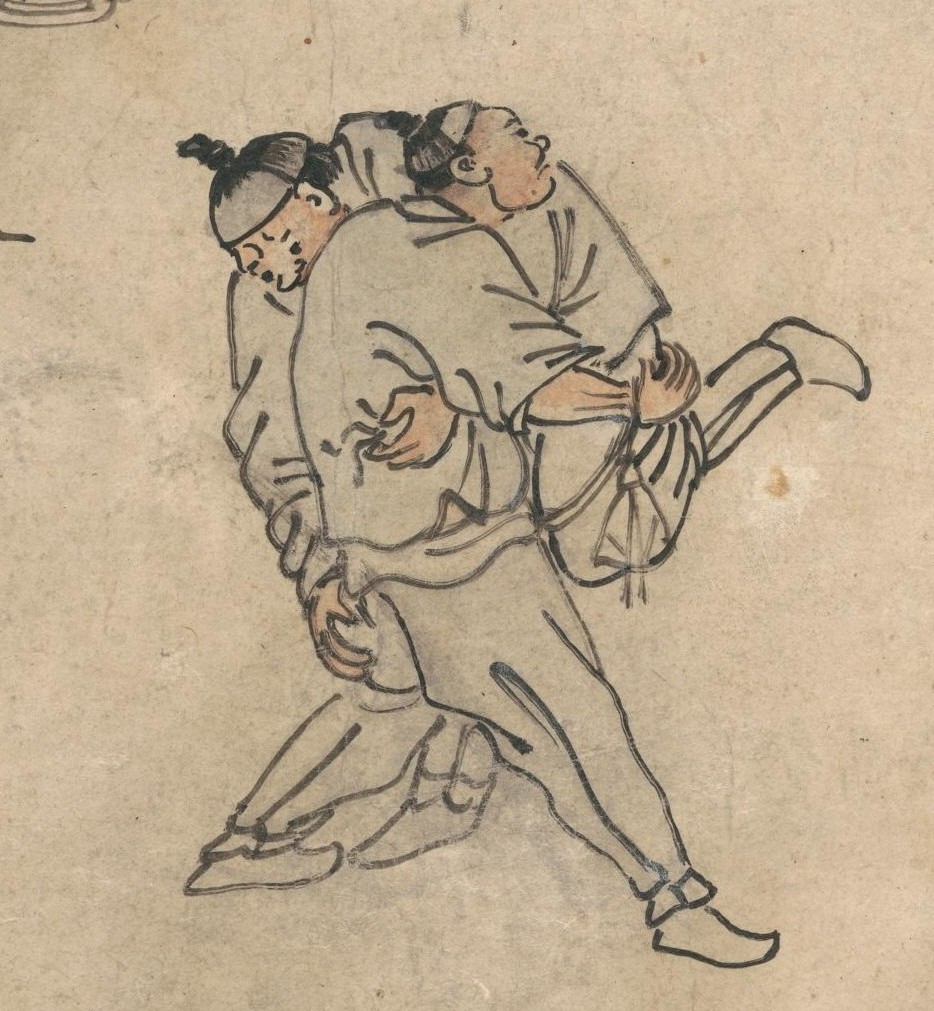
Beyond the Two Wrestlers When we look at Kim Hong-do’s representative genre painting, Ssireum, our eyes naturally gravitate toward the two men wrestling in the center. However, if we shift our perspective, a completely different scene begins to emerge.
A Diverse Crowd Gathered in One Place Look closely at the painting, and you’ll see several men wearing Gat (traditional black hats). In the Joseon Dynasty, the Gat was a symbol of adulthood and specific social status.
This tells us that the audience wasn’t just made up of commoners; members of the Yangban (aristocracy) and Jungin (middle class) were all mingled together. What’s truly fascinating is that they are all sitting in the same spot, watching the same match. The Ssireum ring was a rare space where social hierarchies momentarily dissolved.
Who Are the Wrestlers? Were the men in the center professional athletes like we see today? Not at all. In the Joseon era, Ssireum was not a specialized profession but a test of strength among villagers. They were ordinary farmers competing during festivals or market days.
When Did This Scene Take Place? Matches like this typically occurred on days when large crowds gathered—most notably during holidays like Dano, on market days, or at village festivals. This wasn’t just a sports arena; it was a grand event where people met to enjoy, laugh, and eat.
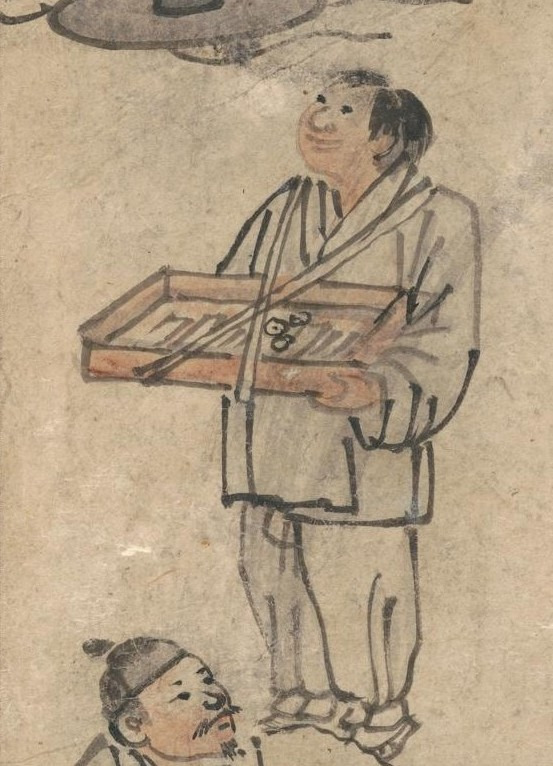
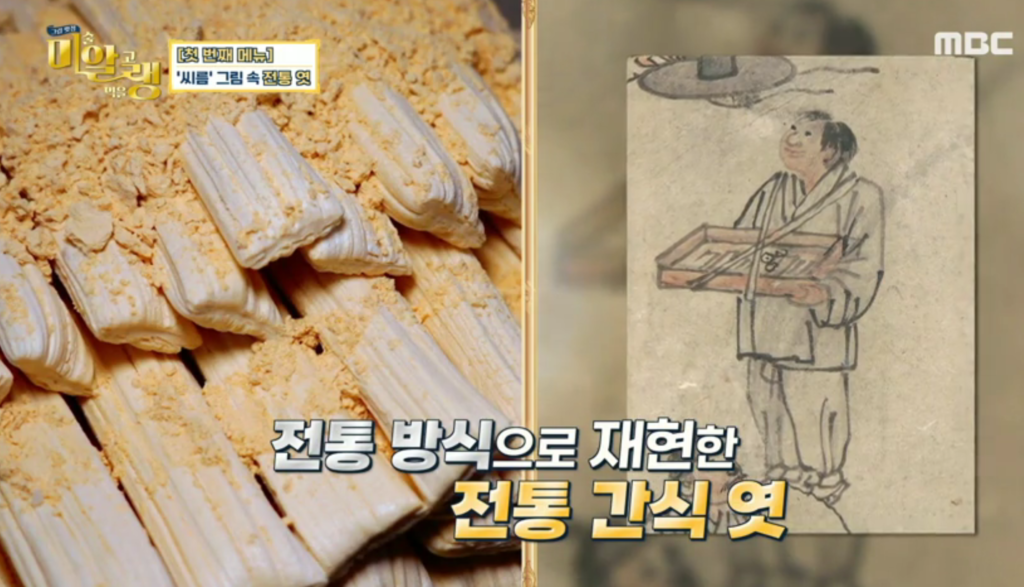
The Other Protagonist: The Toffee Seller Now, look at the painting again. On one side, you’ll spot a young boy selling Yeot (traditional Korean toffee). This boy has no interest in the match. He doesn’t care who wins or loses; he is simply there because the crowd provides an opportunity to sell his sweets.
Image source: https://tv.nate.com/clip/4251369 A scene from Kim Hong-do’s Ssireum alongside a real-life recreation of traditional Korean taffy(yeot).
The True Portrait of the Era Through this single scene, we can see the multi-layered reality of Joseon life:
Some are testing their strength.
Some are spectating for leisure.
Others are conducting business amidst the excitement.
All of this happens simultaneously in the same space. Ssireum is more than just a painting of a wrestling match; it is a vivid snapshot of the Joseon era where: ✔ Various social classes gathered. ✔ The community celebrated together. ✔ Economic activity took place.
Perhaps the most realistic observer of the world in this masterpiece is that young boy, quietly focused on his trade while the world cheers around him.
Image Source: Yonhap News, [Article on ‘Lovers under the moon](https://www.khan.co.kr/article/201203072150215)
[Artwork Information]
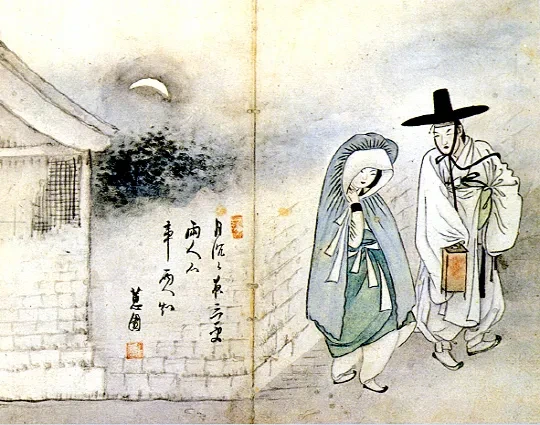
Title: Lovers Under the Moon (Wol-ha-jeong-in)
Artist: Shin Yun-bok (Hyewon)
Period: Late Joseon Dynasty
Genre: Genre Painting (Pungsokhwa), expressing human emotions and reality
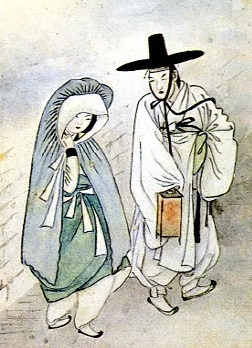
A Story Hidden Under the Moonlight A man and a woman meeting secretly at a wall’s corner in the middle of a Joseon night. This scene is captured in the masterpiece Lovers Under the Moon.
This painting is more than just a romantic scene; it encapsulates the love, society, and even the precise “time” of the late Joseon period.
What Was Shin Yun-bok Trying to Capture? In a rigid society centered on the elite Yangban class, Shin Yun-bok was an artist who dared to depict honest human desires and emotions.
Specifically, Lovers Under the Moon portrays a “clandestine” love rather than a formal relationship. Since free romance was difficult under the social norms of the time, this painting serves as a subtle twist on social conventions.
Reading the Scene The painting is filled with meaningful elements if you look closely:
The Wall’s Corner: A hidden, private space.
The Distance Between the Two: A cautious and careful relationship.
The Nighttime: A moment escaped from the watchful eyes of society.
The Moon: The most crucial element of all.
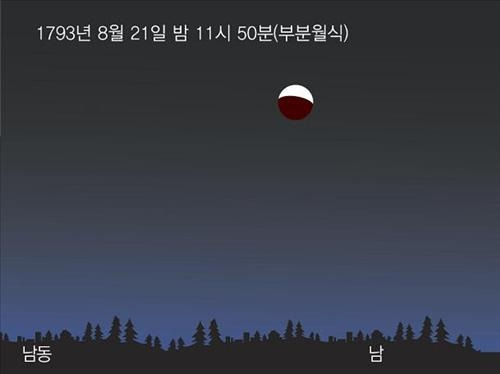
The Surprising Fact Revealed by the Moon
(Image Source: Yonhap News, Article on Wol-ha-jeong-in)
The moon in this painting is not just a background. Astronomers have analyzed its shape to estimate when this piece was created.
Shape of the Moon: Representing a partial lunar eclipse.
Inscription “Ya-sam-gyeong” (夜三更): Indicating around midnight.
Setting: A summer night.
Based on these findings, it is estimated to be around August 1793. The painting literally allows us to “read” time.
Love and Reality in the Joseon Era Joseon was a Confucian-centered society where free romance was restricted, and social status and norms were strict. This makes the encounter in the painting even more special.
Love Exists, but It Cannot Be Revealed. This tension is precisely what makes Lovers Under the Moon so captivating even today.
Why This Painting Remains Beloved Lovers Under the Moon is not just a “pretty” picture. It contains:
Human Emotion (Love)
Social Norms (Constraints)
Traces of Time (The Moon)
Looking at this masterpiece, we realize one thing: “Even in that era, love was just the same as it is today.”
Welcome! Today, we explore the “Moon Jar” (Dalhangari), a masterpiece of Korean porcelain that has become a global symbol of minimalist beauty. From being a favorite of BTS’s RM to inspiring modern designers, find out why this Joseon-era white porcelain is taking the art world by storm.
What is a Korean Moon Jar?
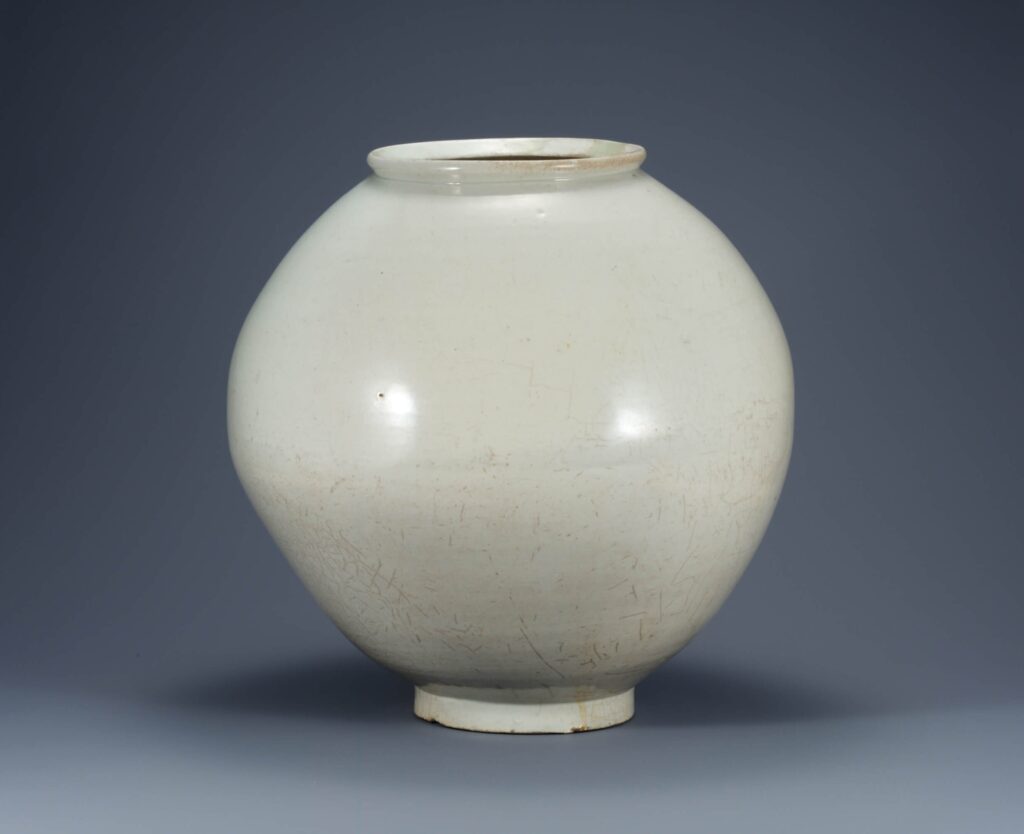
The Moon Jar is a type of white porcelain from the late Joseon Dynasty (17th–18th century). It earned its name from its iconic round shape and milky-white glaze, reminiscent of a full moon. Historically, it represented the virtues of modesty and purity valued by the scholars of that era.
A classic Joseon-era Moon Jar. Notice the subtle milky-white hue and the voluminous, generous shape that defines this masterpiece.
Cultural Significance: The Spirit of ‘Virtue’ and ‘Embrace’ The Moon Jar was more than a decorative object; it was a physical manifestation of Neo-Confucian values—frugality and integrity—that governed Joseon society in the 17th and 18th centuries. Scholars of that era viewed extravagant colors or intricate patterns as “vanity.” Instead, they found the noble character of a true gentleman in the pure, unadorned white surface of the porcelain.
The generous, rounded shape also symbolizes “inclusivity” and “abundance.” Just as the full moon shines impartially on the night sky, the Moon Jar was believed to embrace good fortune and ward off negative energy. Some historians also suggest that the jar’s grand and dignified presence reflected the national pride of a resilient Joseon after surviving major wars, embodying a spirit of cultural rebirth.
The Secret of Its Creation: Embracing Imperfection The most fascinating aspect of its creation is the “Upper and Lower Join” technique. Because of its massive size, the jar was made in two separate halves and then fused together. This process results in a natural asymmetry—a “perfect imperfection” that makes each Moon Jar unique.
This video demonstrates the traditional process of joining the two halves of a Moon Jar. Witness the delicate balance required to create its signature round silhouette.
Why It Captivates the World: Defining K-Aesthetic The Moon Jar’s rise in popularity is closely linked to the “K-Aesthetic.” This term refers to the unique Korean sensibility that prioritizes “void,” “restraint,” and “natural curves” over flashy decorations. In a noisy world, the serene presence of a Moon Jar offers a sense of “healing” and “simplicity.”
Styling Tips: How to Display a Moon Jar To maximize its impact, follow the principle of “Space of Emptiness.”
Where to Place: It looks best as a standalone piece on a white console or a dark wooden cabinet.
Styling: Avoid using it as a vase with too many flowers. Let the empty jar’s silhouette speak for itself. Minimalist surroundings will make its elegant curves stand out even more.
Feng Shui Tips: Attracting Good Fortune with a Moon Jar In the tradition of Feng Shui, the Moon Jar is seen as a ‘vessel for blessings’ and a ‘symbol of accumulating wealth.’ Its voluminous, rounded shape represents the abundance of a full moon, bringing prosperity to the household.
Entrance: Placing a Moon Jar near the entrance is believed to purify incoming energy and “catch” the good fortune entering your home.
Northeast Corner of the Living Room: To enhance financial luck, place the jar in the northeast section of your living area. The pure white glaze resonates with the element of ‘Metal,’ which is associated with monetary stability and clarity.
Bedroom for Harmony: A small Moon Jar in the bedroom is said to promote peace and harmony in relationships. Its gentle, rounded curves are thought to soften conflicts and foster a warm, loving atmosphere.